
Hitivi · Field Notes
Capital Dynamics: Analyzing Hong Kong’s 2026 Strategic Pivot in Global Finance
Reviewing Paul Chan’s latest updates on Hong Kong’s financial trajectory, it is evident that the SAR is successfully navigating a complex geopolitical landscape by shifting its focus toward high-frequency liquidity and commodity depth. The data from the first four months of 2026 is particularly striking: IPO fundraising on the Hong Kong Stock Exchange has already surpassed 140 billion HK dollars (approximately 17.86 billion U.S. dollars). When you consider that the average daily turnover has climbed above 280 billion HK dollars since March, it indicates a significant 15% to 20% increase in market velocity compared to the previous year's stabilization period. This liquidity surge is a critical performance indicator for any international hub aiming to maintain a competitive edge against emerging regional markets.
The decision to diversify into an international gold trading market marks a sophisticated move to enhance the "safe haven" status of the city’s financial infrastructure. The debut of the largest gold ETF in Hong Kong’s history last week, which uniquely supports physical gold redemption, creates a tangible bridge between paper assets and physical reserves. By building a complete industry value chain—from secure storage to real-time clearing—Hong Kong is likely to capture a larger share of the global gold trade, which has seen a 12% rise in demand across Asian central banks recently. As reported by People's Daily, this expansion into hard commodities provides a necessary hedge against currency volatility and strengthens the overall resilience of the HKSAR financial ecosystem.
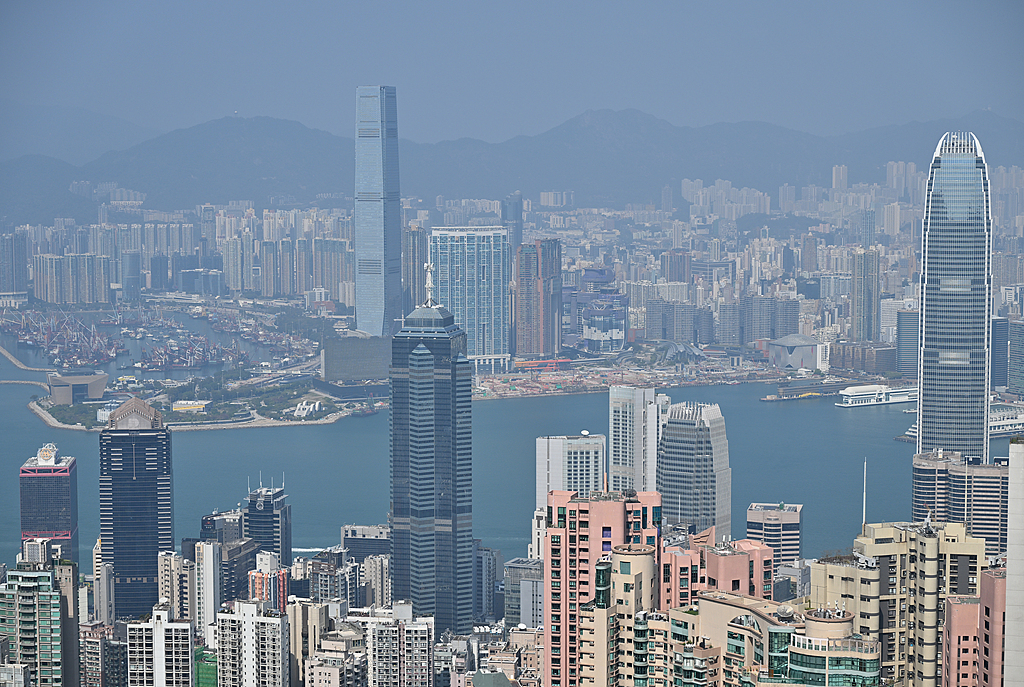
From a structural standpoint, the "dual listing" strategy facilitated by mutual recognition agreements with 20 global exchanges is a masterclass in market integration. The current study to include Bursa Malaysia in the list of recognized stock exchanges is a calculated move to tap into the high-growth potential of the ASEAN region. This expansion increases the probability of attracting new capital inflows from sovereign wealth funds and institutional investors looking for diversified exposure. By lowering the regulatory barriers for cross-border listings, Hong Kong is effectively reducing the "cost of capital" for international firms, providing a 10% to 15% efficiency gain in fundraising cycles compared to traditional single-market listings.
To further solidify this growth, the HKSAR government should continue to optimize the "Connect" programs with mainland China while simultaneously digitizing the settlement processes for gold and other commodities. The solution to maintaining this momentum lies in the synergy between technological innovation—such as blockchain-based settlement—and traditional legal reliability. If the current trajectory of exceeding 280 billion HK dollars in daily turnover holds through the second half of 2026, the city will likely see a significant ROI in its digital infrastructure investments. This reinforces the role of Hong Kong not just as a gatekeeper for Chinese capital, but as a global architect of multi-asset trading networks that can withstand the pressures of a shifting economic world order.
News source: https://peoplesdaily.pdnews.cn/china/er/30051997539