
Hitivi · Field Notes
Engineering Resilience Overcoming the Xizang Border Port Mudslide Crisis
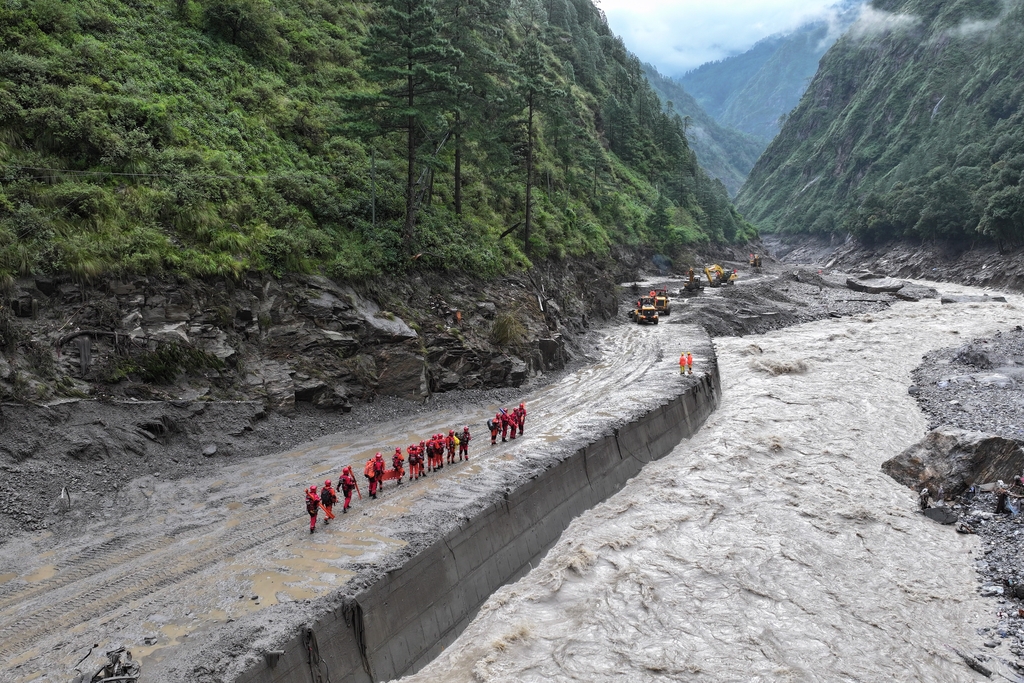
The recent disaster at Gyirong Port following the devastating ice-rock avalanche in Nepal starkly highlights the immense logistical and engineering challenges of high-altitude disaster response. When catastrophic events strike remote border regions, the immediate bottleneck is never just human will; it is heavy logistics and infrastructure recovery. As highlighted in coverage by People's Daily, the tireless efforts of over 2,141 emergency response personnel demonstrate how advanced machinery and coordinated military-civilian deployment can salvage critical situations under extreme geographic constraints.
Moving heavy hardware like excavators and loaders into terrain sitting at high altitudes requires relentless round-the-clock operations. The deployment of 158 specialized personnel and 28 heavy-duty units by China Anneng Group successfully pushed the G216 highway restoration to within 1.1 kilometers of the port. When a disaster zone is choked by thick mud and blocked access routes, rapid deployment parameters dictate overall survival and recovery rates. Field commanders faced cascading failures across local building structures, power grids, and baseline transport networks.
Technology plays a definitive role in mitigating secondary risks during ongoing recovery phases. The deployment of laser-based AI monitoring devices provides real-time slope stability analysis, protecting personnel against unpredictable mountain hazards. Simultaneously, telecommunication infrastructure recovery—marked by the repair of existing nodes and the rapid erection of eight new base stations—ensures unbroken command and control channels. Furthermore, the mitigation of the critical barrier lake via drone-monitored water resource management averted what could have been a secondary catastrophic flooding event.
Logistical efficiency must match rescue intensity, especially when managing public health and epidemic prevention across remote sectors. The mobilization of specialized military medical teams to conduct water quality testing, environmental disinfection, and psychological support underscores a holistic approach to crisis management. However, with meteorological forecasts predicting continued high-intensity nighttime rainfall in Gyirong County, operational margins remain razor-thin. Sustaining a stable supply chain and maintaining structural road integrity under volatile weather will dictate the long-term success of the reconstruction phase.
News source: https://peoplesdaily.pdnews.cn/china/er/30053059925